Description
Waiting is a short 16mm film that explores inevitability, emotional paralysis, and the quiet terror of impending fate. Shot with a fixed camera and minimal movement, the work centers on a young girl seated alone in a dim room, suspended in a state of anticipation as an unseen presence draws steadily nearer.
The film unfolds through sparse, deliberate cuts: the heavy sense of approaching footsteps, brief flashes of blood splattered on the wall, and the girl's increasingly distressed gaze. These visual fragments suggest a violent outcome that exists just beyond the frame, building tension without resorting to explicit action.
The soundtrack, “The Arrival and the Reunion” by Dead Can Dance, was integral to the conception of the film. The work was written while listening to the piece and later edited to it, with the music’s title and structure finding echoes in the film’s own progression toward an inevitable encounter. When the man finally enters the frame, the girl’s fear gives way to resignation. In a quiet symbolic gesture, she extinguishes the candle beside her and closes her eyes, signaling a final relinquishment of control.
Waiting is a psychologically restrained meditation on vulnerability, fatalism, and the emotional architecture of anticipation. Its tension arises less from what is shown than from what is expected, allowing the unseen and unheard to acquire as much weight as the events that finally enter the frame.
Images
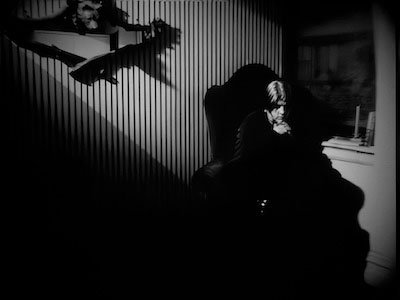
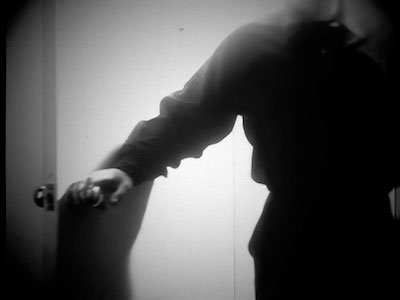
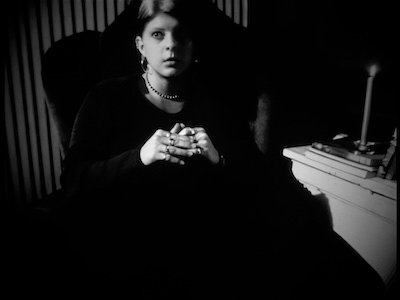
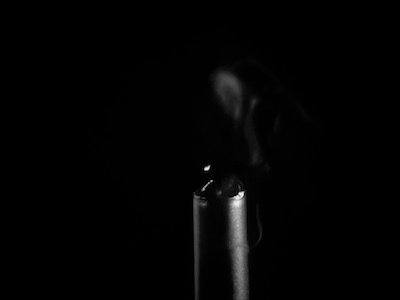
Stills from the film Waiting.
Edition Notes
Waiting was originally completed in 1998 as a 16mm film with a separate magnetic soundtrack featuring “The Arrival and the Reunion” by Dead Can Dance. This version received its first and only public screening at NYFA in 1998 and remains the artist’s preferred version of the work. In 2009, the film was transferred to digital format, with minor adjustments to brightness and contrast and the removal of several frames surrounding the original physical splices. A newly commissioned soundtrack was added at that time in response to concerns about the use of commercially released music. While the later score created a viable independent presentation version, it altered aspects of the film’s original tone and pacing.